Table of Contents
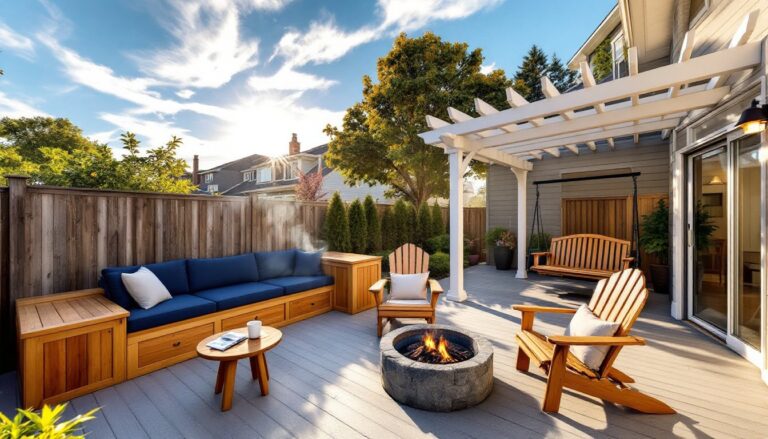
ToggleA carport doesn’t have to be just a parking spot. With the right approach, that covered slab can become a functional outdoor living area, think shade for summer cookouts, a dry spot for entertaining, or a covered workspace for weekend projects. The structure’s already there: roof, posts, maybe a concrete pad. The hard part’s done. Now it’s about turning that utilitarian space into something you actually want to spend time in. Whether you’re working with a standalone carport or one attached to the house, these ideas will help you maximize the footprint without a full rebuild.
Key Takeaways
- Carport patio ideas transform existing overhead coverage into dual-purpose outdoor living spaces by leveraging the structure’s foundation, electrical access, and proximity to your home.
- Choose design styles—from modern minimalist to rustic wood—based on your existing carport structure and desired aesthetic, using intentional materials and restrained palettes.
- Essential comfort features include ceiling fans for airflow, privacy screens or curtains to soften open sides, built-in seating for space efficiency, and dedicated electrical circuits for cooking appliances.
- Flooring options range from epoxy-coated concrete and interlocking deck tiles to porcelain pavers, each offering different durability and maintenance trade-offs for your climate.
- Layer three types of lighting—task, ambient, and accent—to extend usability into evening and create the right mood, using dimmers or smart plugs for flexibility.
- Before fully enclosing your carport patio or adding permanent walls, check local zoning rules to ensure compliance with garage classification and setback restrictions.
Why Combine a Carport and Patio?
Dual-purpose spaces make sense when square footage is tight or budgets don’t allow for a standalone patio build. A carport offers instant overhead coverage, no need to frame a pergola or wait years for shade trees to mature. The roof protects furniture from UV damage and keeps rain off guests during unpredictable weather.
From a practical standpoint, most carports already have a level foundation, electrical access for lighting, and proximity to the house. Converting unused carport space into a patio is often more cost-effective than pouring a new pad and building shade structures from scratch. You’re leveraging existing infrastructure.
Many homeowners park one vehicle and dedicate the remaining bay to seating, grilling, or storage. Others shift parking to the driveway entirely, reclaiming the full carport footprint. Either approach works, just measure your vehicle dimensions (including mirrors and door swing) before committing furniture or built-ins to the layout.
Check local zoning rules if you plan to fully enclose sides or add permanent walls. Some municipalities classify enclosed carports as garages, which can trigger different code requirements or setback restrictions.
Design Styles for Your Carport Patio
Modern Minimalist Carport Patios
Clean lines and restrained palettes define this approach. Think powder-coated steel posts, poured concrete floors with a smooth trowel finish, and low-profile furniture in neutral tones. Minimalist doesn’t mean stark, it means intentional. Every element has a job.
Use geometric planters made from fiber cement or Corten steel to add greenery without clutter. Stick to a narrow color palette: grays, whites, black, maybe a single accent color. Avoid busy patterns on cushions or rugs.
For shade control, consider retractable fabric panels mounted to the carport’s structural beams. They provide UV protection and can be pulled back when you want full airflow. Motor-driven options add convenience but require an electrician if your carport lacks dedicated circuits.
Lighting should be recessed or track-mounted to keep sightlines uninterrupted. LED strip lighting under roof beams creates ambient glow without visible fixtures. Pair it with a dimmer switch for flexibility.
Rustic and Natural Wood Designs
Wood brings warmth and pairs well with carports that already feature timber posts or exposed rafters. If your carport is metal or masonry, you can introduce wood through furniture, privacy screens, or ceiling treatments.
Cedar or redwood resist rot and insects, making them solid choices for outdoor applications. Pressure-treated pine works too but needs regular sealing to prevent weathering. Avoid untreated softwoods, they’ll warp and splinter within a season.
Horizontal slat screens made from 1×4 or 1×6 boards add privacy without blocking airflow. Mount them to the carport’s existing posts using galvanized brackets. Space slats 2-3 inches apart for a balance between sightlines and coverage. Many porch and outdoor living ideas lean into natural materials to create inviting spaces that feel like extensions of the home.
For flooring, wood-look porcelain tile offers the aesthetic of hardwood with better moisture resistance. Real wood decking (like composite boards or ipe) can be installed over concrete using a sleeper system, but expect to add 1-2 inches of height, watch for drainage issues if the slope isn’t adequate.
Hang string lights or lanterns from beams for a casual, lived-in vibe. Avoid over-styling. Rustic design works best when it feels unforced.
Essential Features to Add Comfort and Function
Start with ceiling fans. Carports can trap heat, especially if the roof is metal or faces west. A 52- or 60-inch outdoor-rated fan improves airflow and makes the space usable in warmer months. Mount it to a structural beam or add blocking between rafters if needed. Wire it to a wall switch or go with a remote-control model for flexibility.
Privacy screens or curtains soften the open sides and reduce wind. Outdoor fabric curtains (look for solution-dyed acrylic) resist fading and mildew. Mount them on a galvanized steel cable or curtain rod attached to the posts. Grommets or clip rings make panels easy to slide. For a more permanent solution, build screens from lattice, corrugated metal, or slatted wood.
Built-in seating maximizes space and eliminates the need to shuffle chairs. A simple bench made from 2×4 or 2×6 framing and topped with composite decking provides durable seating. Add hinged lids for storage underneath, great for cushions, garden tools, or charcoal.
If cooking is part of the plan, run a dedicated 20-amp circuit for a countertop appliance or install a weather-resistant outlet for a griddle or slow cooker. Do not use indoor-rated extension cords permanently. Install a GFCI-protected outlet per NEC requirements for outdoor locations.
Consider adding a retractable awning or shade sail to one open side if afternoon sun is an issue. Anchor points need to hit solid framing, toggle bolts in drywall won’t cut it.
Flooring Options That Elevate Your Space
Many carports start with a bare concrete slab. If it’s level and crack-free, you can work with it. Clean the surface with a degreaser and pressure washer, then apply a concrete stain or epoxy coating. Epoxy is durable and available in dozens of colors, but surface prep is critical, any oil or moisture will cause delamination. Follow the manufacturer’s cure time (usually 72 hours) before placing furniture.
Interlocking deck tiles (plastic, composite, or wood) install without adhesive and can be pulled up if you move. They sit directly on concrete and add about ½ inch of height. Look for tiles with drainage channels on the underside to prevent water pooling.
Outdoor rugs define zones and add color. Polypropylene rugs resist mold and dry quickly, but secure them with rug pads or double-sided tape to prevent shifting. Avoid natural fibers like jute or wool, they’ll rot in damp conditions.
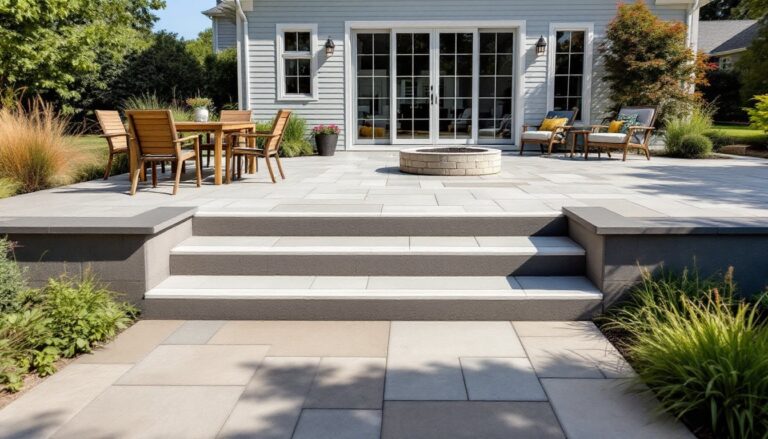
For a more finished look, porcelain pavers or large-format tiles can be installed over concrete using a modified thinset mortar. Choose slip-resistant finishes (look for a wet DCOF rating above 0.42). Grout joints should be sealed annually to prevent staining.
If the slab is badly cracked or pitched incorrectly, you may need to pour a new overlay or install a floating deck system. That’s a bigger project, expect to involve a contractor if the existing surface isn’t salvageable. Some designer carport transformations showcase creative flooring solutions that balance aesthetics with durability.
Lighting and Ambiance Ideas
Good lighting extends usability into the evening and changes the feel of the space. Layer three types: task, ambient, and accent.
Task lighting covers areas where you cook, read, or work. Install a flush-mount or semi-flush fixture (outdoor-rated, wet location if exposed to rain) above seating or a prep counter. LED shop lights work in a pinch for workspace areas, mount them under the carport’s roof beams.
Ambient lighting sets the mood. String lights (often called bistro or café lights) are the easiest install. Use 12- or 14-gauge wire for runs over 20 feet to avoid voltage drop. Secure them to screw eyes or cable guides attached to the posts or beams. Solar options exist but tend to be dimmer and less reliable in shaded carports.
Accent lighting highlights features. Uplight posts or planters with small LED spotlights, or use rope lights along the base of seating. Battery-powered puck lights work for shelving or decor but require regular recharging.
Install all fixtures on a dimmer switch or smart plug to adjust brightness. Motion sensors can supplement overhead lights near entry points for safety. For inspiration on creating inviting outdoor spaces with layered lighting, many home design resources offer project guides and product recommendations.
Always check fixture ratings. Damp-rated fixtures are fine under a covered carport: wet-rated are required if spray or direct rain is possible. Use weather-resistant wire nuts and seal connections with silicone tape. If you’re uncomfortable working with 120V circuits, hire a licensed electrician, outdoor wiring mistakes can be dangerous.
Safety reminder: Wear gloves when handling wiring, shut off power at the breaker before making connections, and verify circuits are dead with a non-contact voltage tester.