Table of Contents
ToggleInstalling shade on a deck in a windy location isn’t just about beating the heat, it’s about building something that won’t rip, flip, or turn into a sail the first time a storm rolls through. Breezy coastal properties, elevated decks, and open prairie lots all share one problem: standard shade solutions weren’t designed for sustained winds or gusts. This guide covers nine tested options that combine durability with function, from engineered retractable systems to permanent structures that laugh at 40 mph gusts. Whether working with an existing deck or planning new construction, these solutions focus on anchoring methods, material choices, and design details that keep shade overhead instead of airborne.
Key Takeaways
- Deck shade ideas for windy areas must prioritize structural anchoring to joists or footings rather than just deck boards, as 30 mph winds on a 10×10-foot canopy generate enough lateral force to topple improperly installed structures.
- Motorized retractable awnings with wind sensors automatically retract before gusts arrive, preventing fabric damage and reducing maintenance costs in consistently windy locations.
- Permanent solutions like pergolas with open-slat designs and louvered roof systems outperform fabric-based shade by allowing wind to pass through rather than creating sail effects that generate uplift.
- Properly installed shade sails using HDPE material rated for 180-200 GSM and tensioned through stainless steel anchors handle serious winds when mounted at a 20-30 degree angle and secured with through-bolts backed by concrete footings.
- Wind-rated umbrellas require heavy bases (50-75 pounds minimum) or in-deck mounts, and cantilever models need permanent anchoring or 100+ pound cross-base weights to prevent tipping in sustained wind.
- Natural and integrated solutions—including wind-tolerant trees, climbing vine trellises, and slatted privacy screens angled at 45 degrees—reduce wind speed by 30-50% while providing long-term or immediate shade with minimal fabric maintenance.
Why Wind-Resistant Shade Matters for Your Deck
Wind doesn’t just inconvenience outdoor spaces, it destroys poorly designed shade structures. Standard patio umbrellas flip or snap, fabric canopies tear at grommets, and lightweight frames bend or pull anchors from deck boards. In coastal zones or areas with regular wind exposure above 15-20 mph, choosing shade rated for those conditions prevents property damage and safety hazards.
Most building codes don’t specifically regulate deck shade structures unless they’re permanent or exceed certain square footage, but wind load calculations matter. A 10×10-foot canopy catches roughly 100 square feet of wind surface. At 30 mph, that generates significant lateral force, enough to pull deck screws or topple posts if not properly anchored into structural members. Always fasten shade hardware to deck joists or blocking, never just decking boards.
Material choice separates temporary fixes from long-term solutions. UV-stabilized fabrics rated for marine or architectural use resist degradation and tearing better than big-box store tarps. Metal frames need corrosion-resistant finishes, powder-coated aluminum or stainless steel hardware, especially in salt air. And any retractable system should include wind sensors or manual protocols to stow fabric before gusts arrive.
Retractable Awnings and Canopies Built for Windy Conditions
Retractable awnings offer flexibility, but only wind-rated models survive exposed deck installations. Look for units tested to Beaufort Wind Scale ratings or specific mph thresholds, many quality awnings handle 20-25 mph when extended, some motorized versions retract automatically via anemometer sensors at preset wind speeds.
Motorized awnings with wind sensors are worth the investment in gusty areas. The sensor triggers retraction before fabric stress occurs, preventing torn seams or bent arms. Manual retractable models work fine if homeowners stay vigilant about weather, but forgetting to retract before a storm often ends in replacement costs.
Installation requires solid backing. Mount the awning’s header bar to wall studs or fascia blocking, not just siding. Use stainless steel or hot-dipped galvanized lag screws, minimum 3/8-inch diameter, driven at least 3 inches into structural wood. For masonry walls, use expansion anchors rated for the awning’s pull-out load plus a safety factor.
Fabric grades matter as much as frames. Solution-dyed acrylic fabrics (like Sunbrella) resist UV and mildew, but for high-wind areas, consider heavier marine-grade canvas (10-12 oz weight) with reinforced hems and double-stitched seams. Some manufacturers offer wind-stabilizing features like integrated gutters or support arms that angle fabric to reduce sail effect.
Permanent Pergolas and Louvered Roof Systems
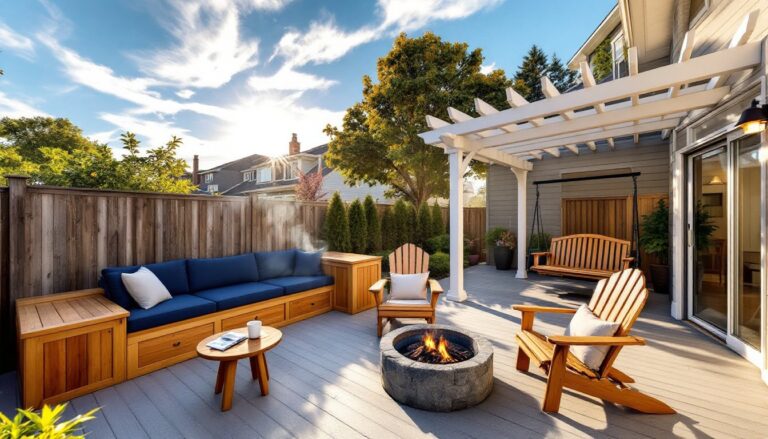
Permanent structures handle wind better than anything fabric-based, provided they’re engineered correctly. A pergola with an open-slat roof allows wind to pass through rather than pushing against a solid surface, drastically reducing uplift and lateral loads. Use pressure-treated or naturally rot-resistant lumber (cedar, redwood) for posts and beams, sized appropriately for span and local snow loads if applicable.
Post anchoring is non-negotiable. Surface-mounted post bases bolted through decking into rim joists or blocking work for smaller pergolas (8×8 feet or less), but larger structures or high-wind zones require posts that extend to ground level, set in concrete footings below frost line. Check local building codes, many jurisdictions require permits for pergolas over 120 square feet or attached to the house.
Louvered roof systems take pergolas further. Adjustable aluminum louvers rotate to control sun, ventilation, and rain, and they close flat against wind. Quality systems include motorized actuators and rain sensors. When louvers close, the interlocking design sheds water and presents a low profile to gusts. These systems aren’t cheap, expect $15-$35 per square foot installed, but they’re permanent, low-maintenance, and handle wind that would shred fabric.
For DIY pergola builds, reinforce connections with structural screws or through-bolted joints rather than nails. Add diagonal knee braces at post-to-beam connections to resist racking. If adding shade cloth or corrugated panels to a pergola, use stainless steel cable or turnbuckles to tension fabric and prevent flapping, which accelerates wear.
Shade Sails Designed to Handle High Winds
Shade sails look fragile but properly installed commercial-grade sails handle serious wind. The key is tension and anchor strength. A loose sail flaps and tears: a taut sail sheds wind like an airplane wing. Use HDPE (high-density polyethylene) shade cloth rated for at least 180-200 GSM (grams per square meter), lightweight versions won’t last a season in windy spots.
Anchor points need to resist several hundred pounds of pull per corner. For deck-mounted installations, attach stainless steel eye bolts or pad eyes to doubled-up joists or blocking, using through-bolts with backing plates on the underside. Never rely on lag screws alone, the constant tension and vibration will work them loose. For ground anchors, use concrete footings with embedded eyebolts or helical ground anchors rated for the calculated load.
Sail geometry affects wind performance. Hyperbolic (curved-edge) sails shed wind better than flat panels. Position sails at a 20-30 degree angle rather than horizontal, this reduces surface area facing prevailing winds and allows air to flow over and under. Leave at least 6-8 inches of clearance between sail edges and posts to prevent chafing.
Install sails with adjustable tensioning hardware, turnbuckles or ratchet straps rated for outdoor use. This allows seasonal tensioning adjustments as fabric stretches or contracts. Before major storms, many homeowners in wind-prone areas simply remove sails and store them, which is easier than repairing torn fabric. Quality installation takes time, but various deck shade solutions offer creative inspiration for multiple anchor configurations.
Wind-Rated Umbrellas and Cantilever Options
Standard market umbrellas are lawn darts waiting to happen in windy areas. Wind-rated umbrellas use heavier frames (aluminum or fiberglass ribs instead of wood), reinforced canopy attachment points, and vented canopies that allow air to escape upward rather than building pressure underneath.
For freestanding umbrellas, skip the plastic base. Use a steel or cast-iron base weighing at least 50-75 pounds for 9-foot canopies, more for larger sizes. Better yet, use an in-deck mount sleeve, a PVC or metal tube installed between joists that accepts the umbrella pole and prevents tipping. Mount the sleeve so it bears on blocking below, not just decking.
Cantilever umbrellas offer offset shade without a center pole, but their design creates higher wind loads on the base. These require cross-base weights (often 100+ pounds total) or permanent mounting. Some models include tilt and rotation mechanisms that let users angle the canopy to reduce wind catch. Look for cantilever models with wind vents and frames rated to at least 25 mph.
Always close and secure umbrellas when winds exceed the rating or when leaving the deck unattended. Even wind-rated models aren’t designed to stay open in storms. For coastal or consistently windy decks, umbrellas work best as supplemental or portable shade rather than the primary solution.
Natural and Structural Solutions for Lasting Shade
Sometimes the best wind-resistant shade isn’t something you install, it’s something you plant or build as part of the landscape. Deciduous trees planted on the south or west side of a deck provide summer shade and winter sun as leaves drop. Choose species with deep root systems and wind-tolerant canopies for your region. Coastal areas do well with live oak or sycamore: inland properties might use maple or ash. Understand that trees take years to mature, so this is a long game.
Trellises with climbing vines create living shade that flexes with wind rather than fighting it. Build a sturdy trellis frame from 4×4 posts and horizontal supports, anchored like a pergola. Plant perennial vines, wisteria, grape, or trumpet vine in temperate zones: bougainvillea or passionflower in warmer climates. The foliage breaks up wind while providing dappled shade, and maintenance is seasonal pruning rather than fabric replacement.
For immediate structural solutions, consider solid roof extensions tied into the house framing. A deck roof framed with rafters and covered in metal roofing or asphalt shingles handles any wind the house does. This requires ledger board attachment to wall studs, proper flashing, and often a building permit, but it’s a permanent fix that adds covered outdoor living space. Many homeowners working on garden design ideas integrate natural shade as part of cohesive outdoor planning.
Privacy screens double as wind buffers and shade providers. A louvered or slatted screen on the windward side of a deck reduces wind speed across the space by 30-50%, making other shade solutions more viable. Build screens from cedar or composite slats on a pressure-treated frame, anchored to deck posts or independent footings. Angled louvers (like fence pickets set on edge at 45 degrees) block low sun while maintaining airflow. For those exploring broader ideas, resources like Hunker provide design inspiration for integrating screens and shade structures into cohesive deck layouts.
Conclusion
Windy decks don’t have to mean choosing between sun exposure and watching shade structures take flight. Engineered retractable systems, properly anchored pergolas, tensioned shade sails, and natural solutions all work when matched to local wind conditions and installed with attention to load paths and structural connections. The difference between a shade solution that lasts years and one that fails in the first storm comes down to anchoring methods, material quality, and respecting wind as a design load, not an afterthought.