Table of Contents
ToggleTransforming a house into a home is like giving your space a personality makeover. Home decor isn’t just about slapping a fresh coat of paint on the walls or tossing a few cushions on the couch. It’s an art form that can turn a bland room into a cozy sanctuary or a chic haven. With the right touches, even the most ordinary spaces can radiate warmth and style.
Understanding Home Decor
Home decor encompasses the elements and styles that enhance the aesthetic and functional aspects of a living space. It reflects personal taste while creating a harmonious environment.
What Is Home Decor?
Home decor refers to the arrangement and decoration of interior spaces. This includes furniture, color schemes, textiles, and artwork. Each component contributes to the overall atmosphere. Accessories such as rugs, plants, and lighting fixtures play essential roles in defining a room’s character. It involves both design choices and the emotional connections residents form with their surroundings. Consequently, successful home decor transforms a house into a space that feels uniquely personal.
Importance of Home Decor
Home decor significantly influences well-being and comfort. A thoughtfully designed space promotes relaxation and encourages creativity. Studies indicate that a visually pleasing environment boosts mood and productivity. Spaces that reflect individual style foster a sense of ownership and belonging. Moreover, home decor enhances functionality by optimizing space usage. A well-decorated home can increase property value, making it an important consideration for homeowners. In essence, home decor is vital for creating appealing and functional living environments.
Popular Home Decor Styles
Home decor styles vary significantly, reflecting personal tastes and enhancing the aesthetic of living spaces. Understanding these styles helps in selecting the right decor that suits individual preferences.
Modern Decor
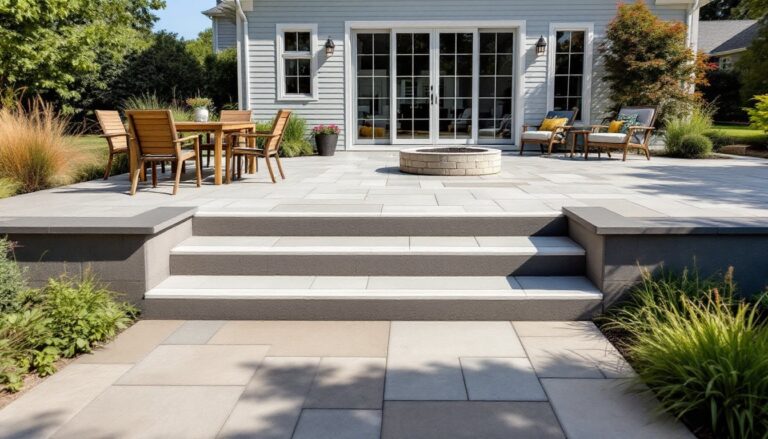
Modern decor emphasizes clean lines and simplicity. It often integrates neutral color palettes with bold accent colors. Designers frequently use materials like glass, metal, and wood, creating a cohesive and uncluttered look. Furniture in modern decor typically features sleek forms and minimal ornamentation. Spaces often embrace natural light through large windows, establishing an airy atmosphere. This style caters to those seeking a contemporary, sophisticated vibe in their homes.
Rustic Decor
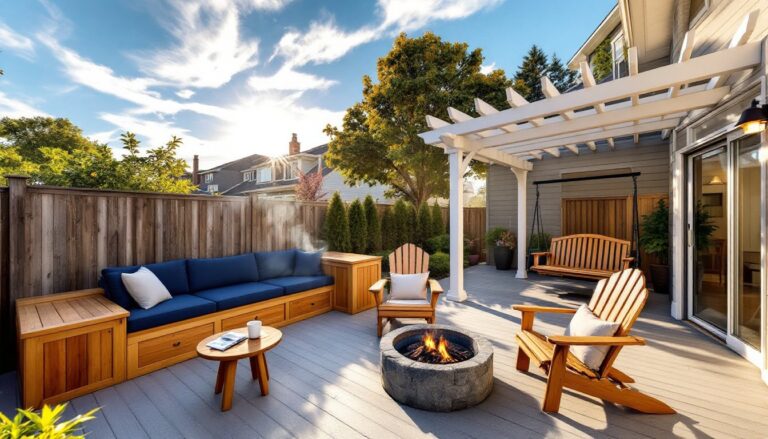
Rustic decor embodies warmth and a connection to nature. Characterized by natural materials such as wood, stone, and wrought iron, this style promotes a cozy and inviting environment. Color schemes usually include earth tones and muted shades, reflecting the outdoor landscape. Accessories like handcrafted items and vintage finds enhance the charm of rustic decor. It draws inspiration from countryside aesthetics, making it perfect for those who appreciate a homey, down-to-earth atmosphere.
Minimalist Decor
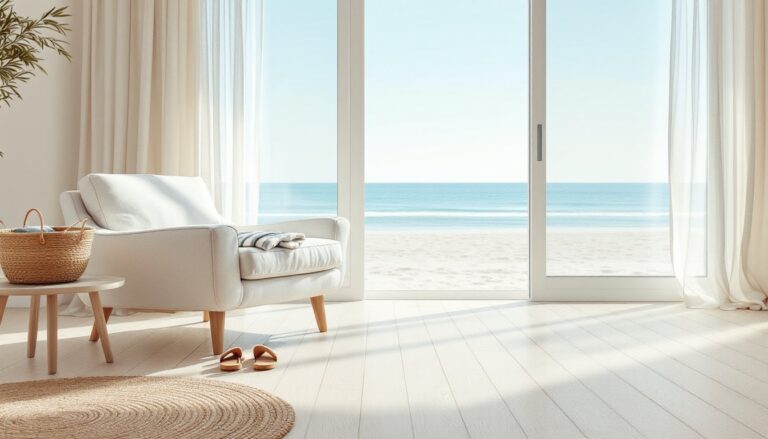
Minimalist decor prioritizes simplicity and functionality. A focus on decluttering creates open spaces that promote tranquility. This style often incorporates a limited color palette, predominantly whites, grays, and blacks. Essential furnishings are selected for their utility and aesthetic appeal, avoiding excess decoration. Natural light plays a key role in minimalism, enhancing the sense of openness. For those who prefer a clean, organized environment, minimalist decor provides the ideal setting.
Tips for Choosing Home Decor
Selecting suitable home decor requires attention to detail. Assessing the layout and features of a space is vital for making informed choices.
Assessing Your Space
Analyzing the dimensions and functions of each room determines the most appropriate decor. Considering lighting sources helps identify color schemes that complement natural light. Evaluating existing furnishings allows for better coordination with new items. Measuring wall space defines where artwork or shelves can fit seamlessly. Understanding the flow of movement between rooms ensures a harmonious atmosphere throughout the home.
Setting a Budget
Establishing a budget aids in narrowing down options and focusing on the essentials. Identifying key areas to prioritize influences spending decisions. Allocating funds for high-impact decor items, like statement furniture or unique artwork, creates focal points without overspending on less impactful elements. Researching prices online provides insight into trends without hidden costs. Planning for unexpected expenses ensures financial flexibility throughout the decorating process.
DIY Home Decor Ideas
Creating personalized home decor can enhance any space. Engaging in DIY projects offers an opportunity to express creativity while adding unique touches.
Easy Craft Projects
Craft projects turn simple materials into stunning decor. Consider making wall art using canvas and acrylic paints. Frame pressed flowers for natural-inspired pieces. Personalized photo collages add warmth and nostalgia to living areas. Decorate mason jars, transforming them into stylish candle holders or vases. Additionally, woven wall hangings can infuse texture and interest. Each project provides an avenue for self-expression while enhancing the overall ambiance of a room.
Upcycling Furniture
Upcycling outdated furniture gives old pieces a fresh life. Transform a worn-out chair with a new coat of paint and trendy fabric. Repurposing wooden crates into rustic shelving units maximizes storage and style. A vintage dresser can become a chic bathroom vanity with minor adjustments. Adding new hardware to cabinets creates instantly updated looks. Each upcycling project not only saves money but also contributes to an eco-friendly lifestyle. Choose pieces that resonate personally, and watch them become focal points in your home.
Trends in Home Decor
Home decor trends reflect current preferences and innovations that enhance living spaces. Two notable trends gaining traction are sustainable decor and smart home integration.
Sustainable Decor
Sustainable decor emphasizes eco-friendly materials and practices. Using products crafted from recycled or reclaimed materials reduces environmental impact significantly. Many homeowners now prioritize items like organic textiles and sustainably sourced furniture. Incorporating plants also supports air quality while adding natural beauty. Popular trends include upcycled decor that showcases creativity through innovative designs. This approach not only promotes sustainability but also provides unique character to interiors.
Smart Home Integration
Smart home integration transforms spaces into highly functional environments. Modern devices streamline daily tasks and enhance comfort. Popular options include smart lighting systems that adjust brightness automatically based on natural light. Smart thermostats optimize energy consumption, providing convenience and cost savings. Many individuals appreciate voice-activated assistants, which simplify managing various functions throughout the home. As technology advances, seamlessly incorporating smart devices into decor continues to gain popularity, making homes more efficient and enjoyable.
Home decor is an essential component of creating inviting and functional living spaces. It reflects personal style while enhancing comfort and well-being. By understanding various decor styles and incorporating thoughtful design choices, individuals can transform their homes into true reflections of themselves.
Embracing DIY projects and sustainable practices not only adds unique flair but also promotes an eco-friendly lifestyle. As trends evolve, integrating smart home technology can further elevate the functionality of a space. Ultimately, investing time and effort into home decor pays off by fostering a sense of belonging and satisfaction in one’s environment.