Table of Contents
ToggleIn a world where cookie-cutter houses reign supreme, modern home styles are the breath of fresh air every homeowner craves. With sleek lines, bold colors, and a dash of personality, these homes break free from tradition and invite creativity to take the wheel. Whether it’s a minimalist haven or a vibrant eclectic masterpiece, modern designs offer something for everyone—yes, even your quirky Aunt Edna who insists on decorating with flamingo-themed everything.
Overview of Modern Home Styles
Modern home styles emphasize aesthetically pleasing and functional designs. Unique characteristics distinguish them from traditional houses. Sleek lines capture attention, while bold colors express individuality. Minimalism showcases simplicity, focusing on clean spaces and fewer decorations.
Contemporary homes often incorporate large windows that invite natural light. Open floor plans create flow between living areas, enhancing social interaction. Eclectic designs mix various elements, appealing to those with diverse tastes. Use of sustainable materials reflects a growing commitment to environmental responsibility.
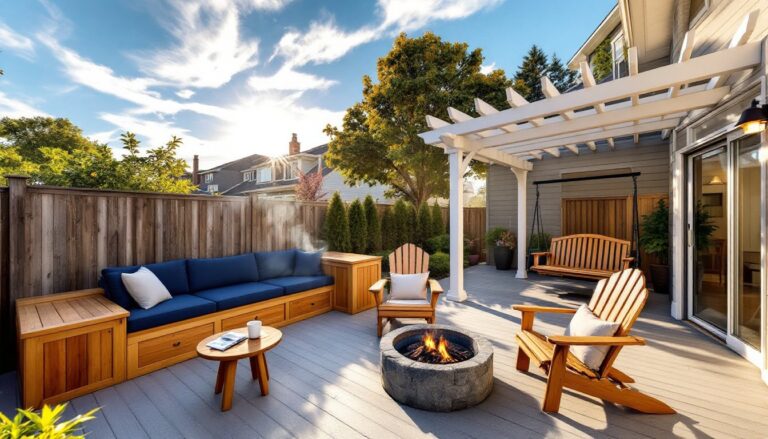
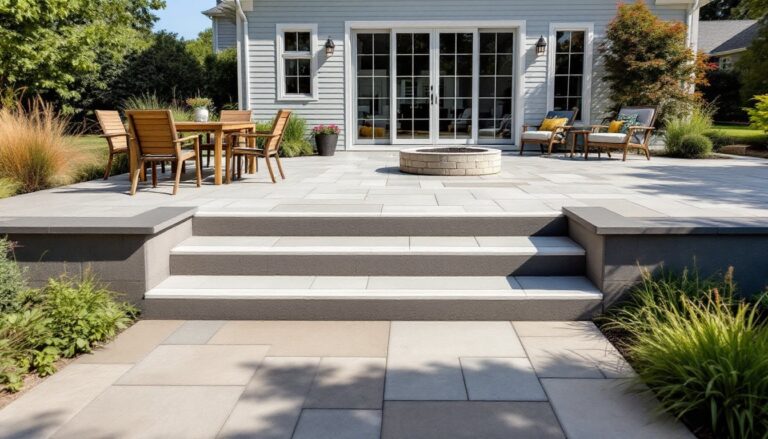
Architectural features frequently include flat roofs, minimal ornamentation, and asymmetrical facades. These attributes contribute to a sense of innovation and creativity. Indoor-outdoor connections blur boundaries, allowing for seamless transitions between spaces.
Additionally, many modern homes integrate smart technology. Energy-efficient systems optimize comfort and reduce utility costs. Customization becomes easier, enabling homeowners to tailor spaces to their lifestyles.
Diverse styles exist within the modern paradigm, from industrial lofts to mid-century homes. Each style offers unique appeal, accommodating different preferences. Modern home styles cater to those seeking both beauty and functionality in architecture.
Key Characteristics of Modern Home Styles
Modern home styles possess distinct characteristics that set them apart from traditional designs. They often emphasize simplicity and functionality while integrating innovative elements.
Clean Lines and Minimalism
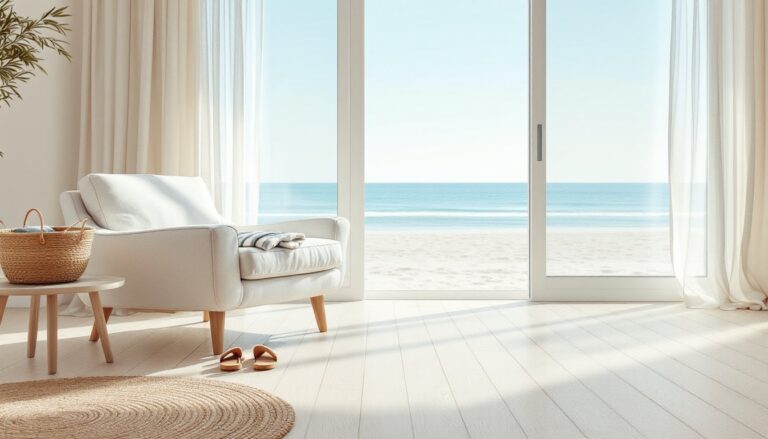
Clean lines define modern architecture, showcasing simplicity and elegance. Stark edges and geometric shapes facilitate a polished appearance, often complemented by neutral color palettes. Minimalism reduces clutter, creating serene atmospheres in living spaces. Furniture selection tends to favor sleek forms and practical designs, enhancing both aesthetics and utility. Accessories are kept to a minimum, allowing for personal touches without overwhelming the environment. This simplicity fosters an inviting setting for relaxation and social gatherings. By focusing on essential elements, modern homes radiate tranquility and sophistication.
Open Floor Plans
Open floor plans encourage seamless flow between living areas, promoting interaction and flexibility. These layouts eliminate barriers, creating expansive spaces that enhance natural light and movement. Combining kitchens, dining, and living rooms facilitates gatherings, making hosting effortless. Flexibility in space usage allows homeowners to adapt zones according to their lifestyle needs. Large windows and sliding doors often connect indoors with outdoor spaces, extending the living area. Freedom of arrangement inspires creativity in interior design while maintaining functionality. This openness captures the essence of modern living, fostering community and comfort within the home.
Popular Types of Modern Home Styles
Modern home styles offer diverse aesthetics and functionalities, catering to varied preferences. Below are prominent categories that define modern architecture.
Mid-Century Modern
Mid-century modern homes emerged in the 1940s to the 1960s. Notable for simplistic forms, these homes feature flat planes and large windows that invite natural light. A connection with nature is vital, often visible through integration with outdoor living spaces. Furnishings in these homes emphasize functionality, with designs featuring organic shapes and muted colors. The open floor plans facilitate interaction, promoting a lively yet peaceful environment.
Industrial Modern
Industrial modern home styles reflect raw, urban aesthetics. These designs often incorporate exposed brick, steel beams, and salvaged materials, showcasing a rugged charm. High ceilings and large windows enhance spaciousness and light. Spaces exhibit a creative use of unfinished elements alongside stylish finishes, contributing to a unique character. This style suits those who appreciate a blend of vintage and contemporary influences, providing a vibrant living atmosphere.
Contemporary
Contemporary homes represent current architectural trends. These styles adapt continuously, showcasing a mix of various design elements. Clean lines and minimalistic features dominate, intending to create a sense of spaciousness and simplicity. Open layouts remain popular, allowing for fluid movement between rooms. Sustainability often plays a crucial role, with energy-efficient materials and designs emphasizing eco-friendliness. This style attracts homeowners seeking a modern yet flexible approach to living.
Design Elements in Modern Homes
Modern homes showcase distinct design elements that elevate their aesthetic appeal. These elements blend creativity, functionality, and sustainability seamlessly.
Color Palettes
Neutral colors dominate modern home designs, creating serene and inviting atmospheres. Shades of white, gray, and beige form the foundation, establishing a calming backdrop. Bold accent colors, such as deep blues and vibrant greens, add character without overwhelming the space. Homeowners often use these hues in art, textiles, or furniture pieces for visual interest. Additionally, monochromatic schemes focus on variations of a single color to enhance cohesion throughout the home. Such color choices reflect personal style while maintaining a clean and sophisticated look.
Materials and Textures
Modern homes incorporate a mix of materials that emphasize simplicity and elegance. Wood, glass, and metal create visual contrasts, enhancing architectural features. Natural wood elements, like exposed beams and hardwood floors, foster warmth and connection to nature. Sleek glass windows invite ample natural light, promoting openness and transparency. Metal accents, including railings and lighting fixtures, add an industrial flair that resonates with contemporary tastes. Textiles also play a crucial role; soft fabrics contribute comfort, while textures, such as woven or textured wall finishes, add depth to the design. These material choices ultimately reflect a commitment to both style and functionality.
Modern home styles represent a shift towards individuality and innovation in architecture. They invite homeowners to embrace creativity while prioritizing functionality and sustainability. With diverse options available from minimalist designs to vibrant eclectic spaces, there’s a modern style to suit every taste.
The emphasis on clean lines and open layouts fosters a welcoming atmosphere that encourages social interaction. As technology and eco-friendly practices continue to evolve, modern homes will likely remain at the forefront of architectural trends. By choosing a modern home style, homeowners not only invest in aesthetic appeal but also in a lifestyle that values comfort and environmental responsibility.