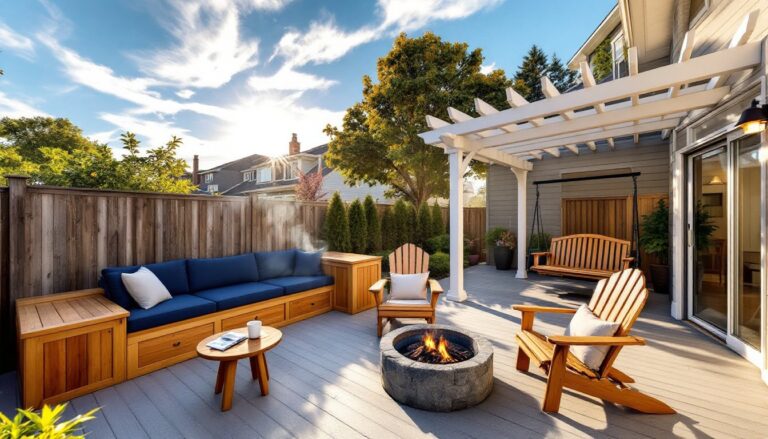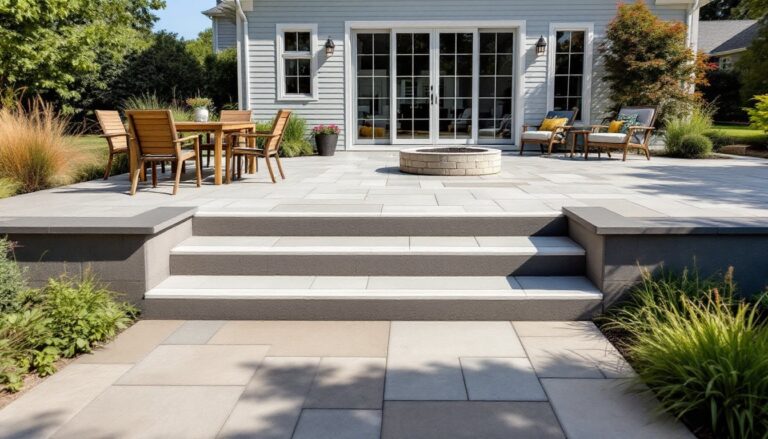
Who says you can’t teach an old house new tricks? Old home renovation is all about unlocking the hidden potential in those charming yet neglected spaces. You’ve heard it before: ‘They don’t make them like they used to.’ But why not breathe a little modern magic into these historical treasures? With a blend of nostalgia and a dash of contemporary flair, you can transform a home that has watched generations unfold into a stunning canvas for your lifestyle. Let’s jump into the world of old home renovation and discover how to turn those creaky floorboards and vintage fixtures into something far more vibrant and functional.
Understanding the Charm of Old Homes
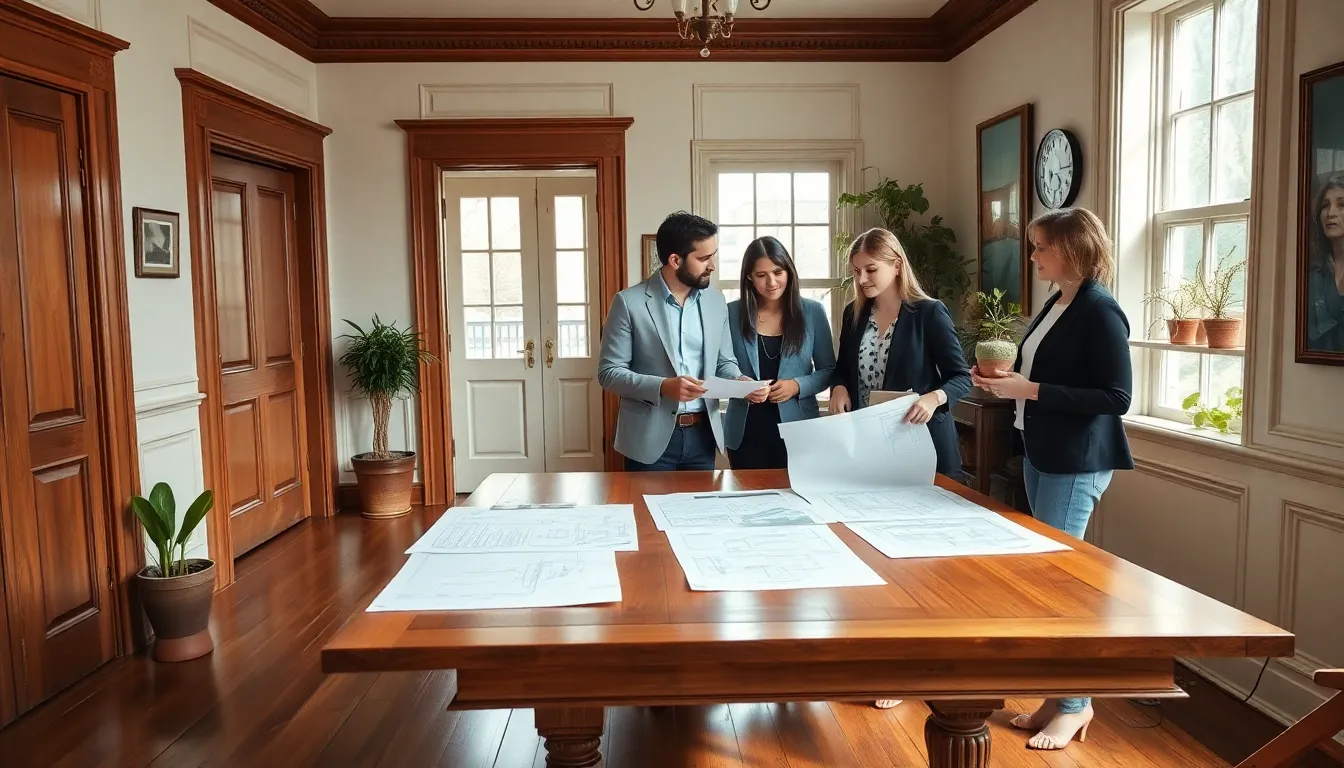
There’s something uniquely captivating about old homes. They come with stories etched into their very walls, each scratch and dent revealing a slice of history. From intricate woodwork to vintage doorknobs, character abounds in every corner. While modern properties flaunt sterile finishes and cookie-cutter designs, older homes offer a personality that simply cannot be replicated. Many people fall in love with the character and craftsmanship of older homes. They often feature unique architectural styles, intricate moldings, and the kind of charm that only decades of living can impart. Not to mention, they’re often located in established neighborhoods with mature trees and that homey feel. In short, an old home isn’t just a place to live: it’s a narrative waiting to be rewritten.
The Benefits of Renovating an Older Home
Choosing to renovate an older home comes with a treasure trove of benefits. First and foremost, you’re investing in a piece of history. By tackling a renovation project, homeowners can preserve their local heritage while also enjoying the aesthetics and functionality of modern life. Also, older homes often come with higher-quality materials. Remember the days when builders used real timber and hand-crafted details? Renovating allows you to keep those elements while enhancing energy efficiency and modern comforts.
Financially speaking, older homes can offer substantial savings. The plumbing might need an upgrade, and the roof could show signs of age, yet there’s often hidden value buried behind those walls. Renovated properties frequently appreciate faster than new builds, providing a wise investment in the long run. Beyond monetary gains, there’s something incredibly rewarding about taking on a renovation challenge that turns an outdated space into something fresh and inspiring.
Planning Your Renovation Project
Proper planning might not promise to eliminate all woes, but it certainly helps. Start by setting a clear budget. Jot down what needs to be done, structural repairs, kitchen updates, or perhaps a bathroom remodel. This helps prioritize where your finances will be allocated.
Next, create a timeline. Understanding how long you’re willing to live in a construction zone will keep your expectations in check. While brainstorming renovation ideas, think about what elements matter to you. Do you want an open floor plan, or is a cozy nook more your vibe? Collect inspiration from online sources, magazines, or even neighborhood homes. Contacting a professional designer can also alleviate some headaches during this phase.
Finally, ensure you’re aware of any local building codes and necessary permits. Skipping this step could lead to complications down the line, and nobody wants to face a full renovation redo.
Essential Renovation Tips for Old Homes
When it comes to old home renovations, a few essential tips can make your life significantly easier.
- Work with what you’ve got: Recognize the strengths of your home while mitigating its weaknesses. For example, if you have beautiful original hardwood floors, consider restoring them rather than laying new flooring.
- Incorporate energy efficiency: Keep comfort in mind. Older homes often lack proper insulation. Consider adding energy-efficient windows or improving insulation where possible.
- Focus on aesthetics: Keep the original design coherent while integrating modern updates. If you have vintage light fixtures, restoring them can maintain the home’s historical integrity.
- Don’t underestimate the power of paint: A fresh coat can dramatically change a space, making rooms brighter and airier.
- Hire professionals for specialized tasks: Some projects, like electrical work or structural changes, are best left to the experts. Engaging professionals not only saves time but also ensures quality control.
Common Challenges in Old Home Renovations
Embarking on an old home renovation isn’t all rainbows and butterflies: challenges are as common as peeling paint. One of the most frequent hurdles is unexpected issues lurking beneath the surface. You may tear down a wall only to find outdated wiring or pest damage that requires immediate attention.
Another challenge is budget overruns. Renovations always seem to cost more than initially anticipated. Homeowners may find that while they planned for cosmetic updates, they’ll also need to allocate funds for critical repairs. On top of this, the process often uncovers additional improvements that need to be made, further complicating the budget.
Finally, integrating modern living standards into outdated structures can be tricky. Sometimes, what was once functional needs a creative reimagining to meet today’s lifestyle demands.
Choosing the Right Materials and Design
When it comes to old home renovation, selecting materials that balance beauty and durability is key.
Maintaining Historical Integrity
Stick with materials that align with the architectural style of the home. For example, if the home is Victorian, consider using wood siding with authentic colors and finishes for a seamless look. Look for reclaimed materials that retain their character while contributing to sustainability.
Incorporating Modern Amenities
Renovating doesn’t mean completely sacrificing the past in favor of the present. Modern amenities, such as energy-efficient appliances and smart home technology, can make your space more comfortable and efficient without detracting from the home’s beauty. Think about integrating modern plumbing and electrical systems subtly into the renovation so they remain out of sight yet completely functional.