A pool without a sturdy ladder is like a beach without sand—just plain sad. Whether it’s a wobbly step or a rusted hinge, a faulty pool ladder can turn your summer paradise into a slippery disaster zone. But fear not! Repairing that rickety contraption isn’t just a possibility; it’s a necessity for safe splashes and cannonballs.
Importance of Pool Ladder Repair
A sturdy pool ladder plays a critical role in ensuring safety during pool activities. Faulty ladders create significant risks, including slips, falls, and injuries. Safety regulations emphasize the need for maintaining pool ladders in good condition to prevent accidents. Regular inspections can help identify issues such as rust, wobbling, or loose steps.
Functionality impacts not only user safety but also the overall enjoyment of swimming. Taking the time to repair a damaged pool ladder can restore confidence for users, especially kids and older adults. Replacing rusted bolts and reinforcing handrails significantly enhances stability and support for users.
Pool maintenance should include routine checks on the ladder. Immediate action on repairs prevents further deterioration, helping avoid costly replacements later. Users benefit from safer pool environments, allowing for carefree enjoyment.
Investing time in repairs reflects a commitment to safety and user experience. A well-maintained ladder enhances pool aesthetics while serving its practical purpose. Ensuring the ladder remains safe and functional sets a positive tone for pool gatherings, providing peace of mind and encouraging fun activities.
Neglecting ladder maintenance can result in dangerous situations that lead to injury. Regular repairs and renovations contribute to maintaining a safe and enjoyable atmosphere around the pool. Observing the ladder’s condition means prioritizing safety and comfort for all users.
Common Issues with Pool Ladders
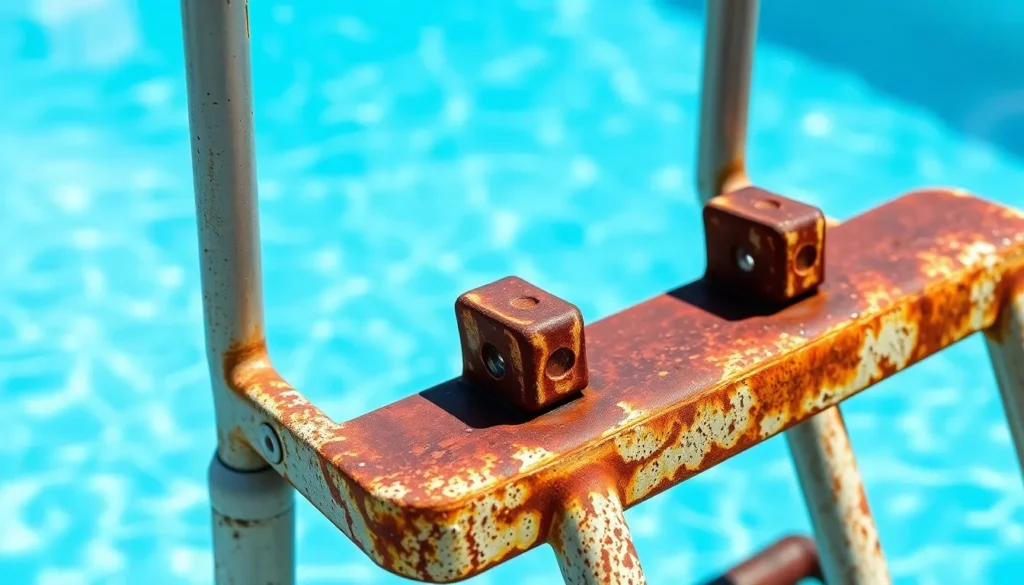
Pool ladders face various issues that can compromise safety and usability. Regular inspections help identify these problems early to ensure a secure swimming environment.
Rust and Corrosion
Rust often develops on metal ladders due to exposure to water and chemicals. Corrosion weakens the structural integrity, increasing the risk of breaks or collapses. It’s essential to examine the ladder for any signs of rust, especially at joints and connection points. Treating minor rust spots promptly prevents further damage and extends the life of the ladder. For severe corrosion, replacing the affected parts or the entire ladder might be necessary. Conducting routine maintenance involves cleaning and applying protective coatings to mitigate rust development and safeguard the ladder’s functionality.
Loose Rungs
Loose rungs present a significant safety hazard for users. Inspecting each rung ensures they’re securely fastened to the ladder frame. When gaps appear between rungs and the frame, they can compromise stability. Users may experience slips or falls, particularly vulnerable individuals like children or seniors. Tightening bolts and screws resolves minor looseness effectively. If rungs are severely damaged or worn out, replacing them ensures continued safety. Regularly checking the ladder for loose rungs is vital for maintaining a safe and enjoyable swimming experience.
Tools and Materials Needed
Having the right tools and materials simplifies pool ladder repair. Proper preparation ensures efficient repairs and enhances user safety.
Essential Repair Tools
Wrenches help tighten or replace ladder bolts. Screwdrivers are crucial for handling screws on rungs and supports. A drill provides ease when installing new parts or reinforcing existing elements. Clean cloths assist in removing debris and rust from surfaces. Safety gear, including gloves and goggles, protects during repairs. Finally, a level ensures that the ladder sits evenly, promoting stability.
Recommended Replacement Parts
Rusted bolts should be replaced with stainless steel options to prevent further corrosion. New rungs improve safety by eliminating loose or damaged steps. Repair kits often contain adhesive sealants, ensuring a secure fit for components. Handrails may also require replacement if they show signs of deterioration. Non-slip treads help maintain grip on wet surfaces, enhancing user safety. Consider pool ladder covers to protect your investment from the elements.
Step-by-Step Repair Guide
Repairing a pool ladder ensures safety and enhances user experience. Follow the steps outlined below to address common issues effectively.
Diagnosing the Problem
Identifying issues is the first step in pool ladder repair. Inspect for visible signs of rust, wobbling, or loose parts. Evaluate each rung for stability and check handrails for deterioration. Look for cracks or bends in the ladder’s frame that could affect structural integrity. Understanding these problems allows for a more effective repair process. Regular inspections make it easier to catch issues before they escalate.
Repairing Rust Areas
Address rust promptly to prevent further deterioration. Use a wire brush to remove loose rust and corrosion from affected surfaces. Apply a rust-inhibiting primer to the clean area for added protection. After priming, paint exposed areas with waterproof paint designed for metal surfaces. Such products provide an extra layer against moisture. Replacing severely rusted components with stainless steel options helps enhance longevity. Ensuring the ladder is adequately protected from the elements prevents future rust buildup.
Securing Loose Rungs
Loose rungs can create unsafe conditions around the pool. Tighten all screws and bolts that secure rungs to the ladder frame. Inspect every connection to identify weak points. In cases where rungs show significant wear, replacement becomes necessary. Choose rungs made from durable materials that resist slipping. Adhering to this guideline ensures a stable and safe ladder. Conducting regular checks for rungs’ security contributes to overall ladder safety.
Maintenance Tips for Longevity
Regular upkeep ensures the pool ladder remains safe and functional. Inspect the ladder frequently for rust and corrosion, as these weaken its structure. Removing rust quickly prevents larger issues down the line.
Applying a protective coating keeps the ladder in optimal shape. Use rust-inhibiting primer before painting with waterproof paint for added protection. Enhancing grip on wet surfaces contributes to user safety, so consider installing non-slip treads.
Tightening screws and bolts is essential for securing loose rungs. Check all connections to make sure they are tight and replace severely damaged rungs using durable materials. Regularly monitoring the ladder’s integrity eliminates the risk of slips and falls.
Cleaning the ladder regularly removes debris that can cause slips. Employing a gentle cleanser helps maintain the ladder’s appearance without damaging its surface. A tidy ladder not only looks better but is safer for everyone.
Using pool ladder covers provides extra protection from the elements, particularly during off-seasons. This simple measure prolongs the life of the ladder, reducing corrosion and wear from sun exposure and moisture. Setting aside time for routine maintenance makes a noticeable difference in safety.
Investing in high-quality materials during repairs boosts the longevity of the pool ladder. Stainless steel bolts resist rust and enhance stability. Non-slip surfaces also improve overall user experience, making it safer for everyone accessing the pool.
Making pool ladder maintenance a priority ensures enjoyable and safe summer experiences for all users.
Maintaining a safe and functional pool ladder is vital for enjoyable swimming experiences. By prioritizing regular inspections and timely repairs, pool owners can significantly reduce safety risks associated with faulty ladders. Investing in quality materials and following a step-by-step repair process not only enhances the ladder’s durability but also boosts the overall appeal of the pool area.
Taking proactive steps to address issues like rust and loose rungs ensures that everyone—especially children and older adults—can enjoy the pool safely. With proper care and attention, a well-maintained pool ladder can provide years of reliable service, making every summer by the pool a worry-free experience.