You ever jump into a pool that feels like a crystal-clear oasis? Yeah, that kind of magic doesn’t just happen. It takes some serious TLC, especially when it comes to pool sand filters. Think of them as the unsung heroes of your backyard paradise, tirelessly working day in and out, so you can enjoy that refreshing splash without worrying about questionable water quality. This article breaks down everything you need to know about pool sand filter maintenance, promising to keep your swimming oasis cleaner than a whistle. So, grab your goggles and let’s jump into the depths of filtration finesse.
Understanding Pool Sand Filters
How Sand Filters Work
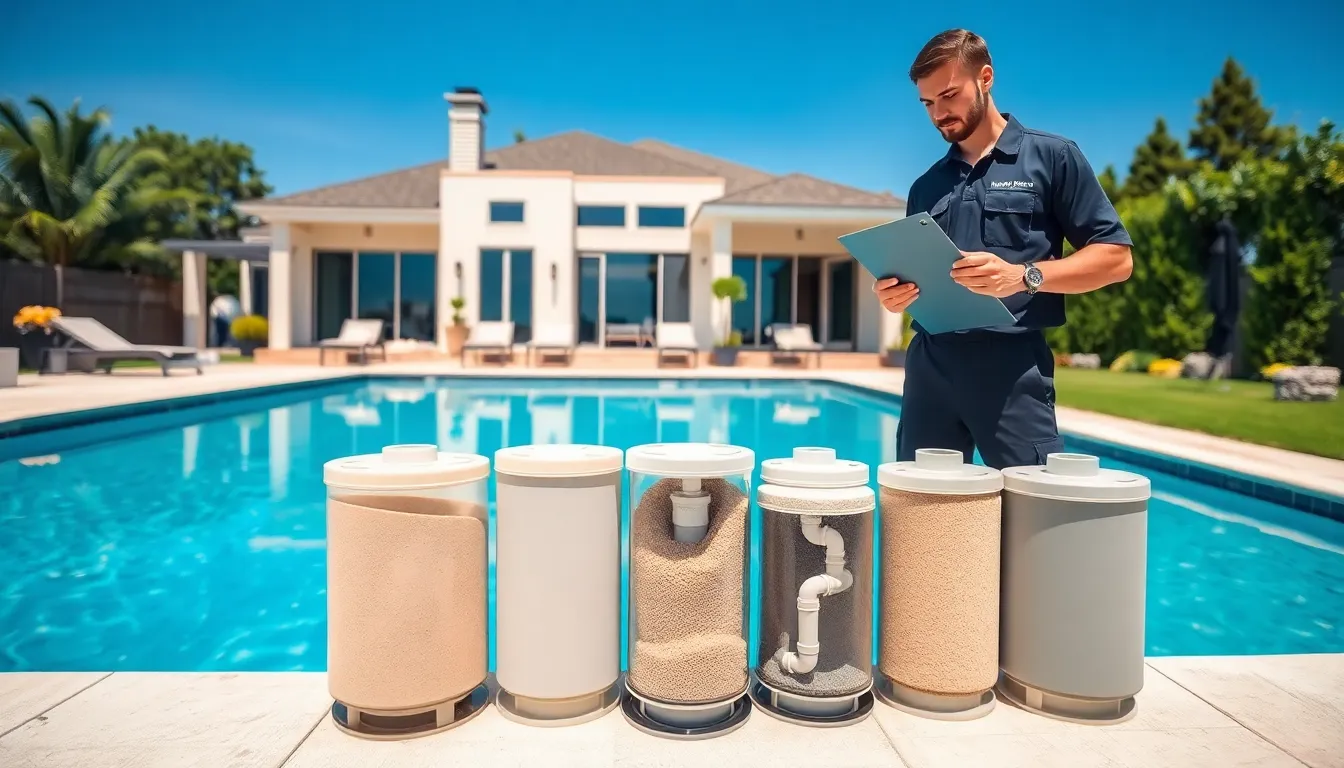
Pool sand filters are designed to trap dirt and debris while allowing water to flow through. Water enters the filter tank, where it passes through a bed of specially graded sand. As it flows, tiny particles get stuck in the sand, while clean water exits through a system of pipes. Voila. Your pool is back to its sparkling glory.
Types of Sand Used in Filters
Not all sand is created equal. The best sand for pool filters is specifically graded to optimize filtration. Silica sand, for instance, is the most common type used due to its ideal size and shape. Some filters may even use glass or zeolite sand for enhanced performance. Understanding these options helps ensure your filter is operating efficiently.
Regular Maintenance Routines
Inspecting the Filter System
Routine inspections make a huge difference in performance. Checking for leaks, wear, and tear, as well as ensuring all components are functioning, can prevent larger issues down the road. Look for issues like loose fittings or cracks in the filter tank. Regular checks should be part of your weekly pool care schedule.
Backwashing the Filter
Backwashing is the superhero move in pool maintenance. This process reverses the flow of water through the filter, flushing out trapped dirt and contaminants. It’s recommended to backwash your sand filter once the pressure gauge indicates a pressure increase of 8 to 10 psi above normal levels. This quick 10-minute task can drastically improve water clarity.
Replacing Sand When Necessary
Even the best sands can wear out. As a rule of thumb, replacing the sand in your filter every 3 to 5 years is wise. Over time, sand grains break down, leading to reduced filtration efficiency. Be sure to consult your filter’s manual for specific sand replacement guidelines.
Troubleshooting Common Issues
Identifying Performance Problems
Sometimes, even the best maintenance routines can’t prevent performance hiccups. If the water appears cloudy or the flow seems weaker, it’s time to investigate. Check for clogged pressure gauges or look for signs of sand channeling, where water finds a path of least resistance through the sand rather than filtering it.
Resolving Clogging Issues
Clogged filters can usually be resolved through backwashing. But, persistent issues might require disassembly to manually clean the sand or even replace it. Always be proactive about addressing clogs to keep everything flowing smoothly.
Maintaining Chemical Balance
Importance of pH Levels
A balanced pH is crucial when it comes to effective sand filter maintenance. A pH level between 7.2 and 7.8 is ideal for swimmer comfort and filter performance. Regularly testing your pool water can help maintain this balance, preventing corrosion and scale build-up that can hinder the filter.
Managing Alkalinity and Chlorine
Total alkalinity and chlorine levels also play a critical role. The recommended alkalinity level for pools is between 80 and 120 ppm (parts per million), while chlorine levels should be maintained between 1 and 3 ppm. Proper chemical management not only protects your filter but also keeps your water hygienic and enjoyable.
Seasonal Maintenance Checklist
Winterizing Your Sand Filter
As winter approaches, protecting a pool sand filter is essential. Draining the water, cleaning the filter thoroughly, and ensuring it’s dry will help prevent freezing and damage. Also, cover the filter system to shield it from icy conditions.
Preparing for Summer Operation
Once summer rolls around, it’s time to get that filter back in action. Start by checking for any accumulated debris, replacing sand if necessary, and performing a thorough inspection. Kick off the season with a clean and well-maintained filter to ensure flawless swimming days ahead.